Have you ever wondered what tools children today need in order to succeed in the challenging world of tomorrow? How can we teach life skills to children so they can remain resilient in the face of pressure, stress, and life’s constant changes? This is an important question that many parents and teachers are facing in today’s society. Life skills and self-care are essential not only for academic growth but also for children’s mental and physical well-being. In this article, we present practical strategies and effective approaches to help you teach these important skills to your children.
The Importance of Teaching Life Skills and Self-Care to Children
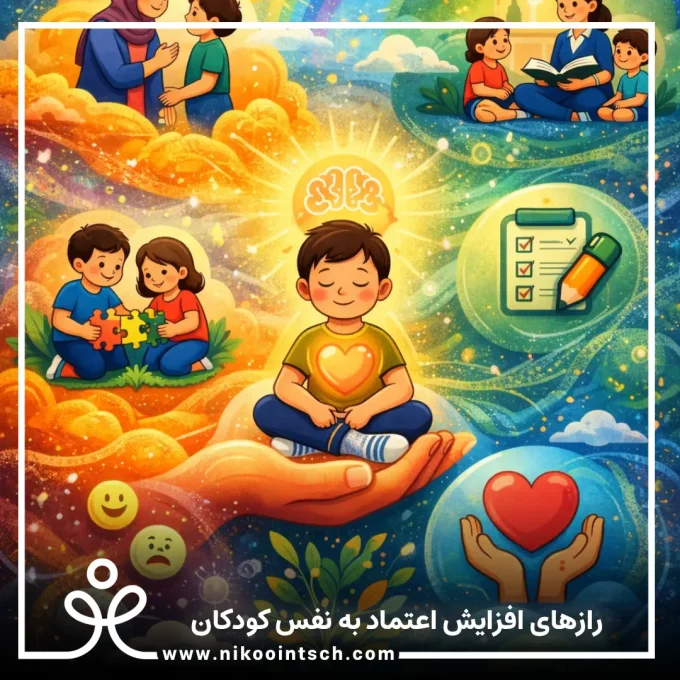
Did you know that research shows children who learn life skills such as problem-solving, decision-making, and stress management from an early age develop greater self-confidence and are better prepared to face life’s challenges as adults? Life skills and self-care help children:
- Develop a sense of responsibility toward themselves and others.
- Strengthen their ability to manage emotions and anxiety.
- Build positive and effective social relationships.
When parents and teachers prioritize teaching these skills, children perform better not only at school but also at home and in society.
Starting at Home – The Role of Parents in Teaching Life Skills
The home is a child’s first school, and parents are their first teachers. How can we teach life skills and self-care to children at home? This can be achieved through everyday behaviors and simple interactions:
- Be a positive role model: Children learn by observing their parents. When you demonstrate calmness, problem-solving, and healthy stress management, your child learns to do the same.
- Have interactive conversations: Ask children how they feel when facing a problem and what solutions they suggest. This strengthens both critical thinking and decision-making skills.
- Encourage self-care: Teaching children how to care for their physical health (exercise, healthy nutrition, sufficient sleep) and mental health (short mindfulness practices, expressing feelings through writing) is essential.
Life Skills in School and Educational Environments
School is an environment where children practice social skills, cooperation, and responsibility. Teachers play a key role in teaching life skills and self-care:
- Interactive and group activities: Activities such as group problem-solving and role-playing encourage children to make decisions and work collaboratively.
- Emotional learning programs: Teaching children how to recognize and manage their emotions prepares them to handle stress and challenges.
- Classroom responsibility: Giving small responsibilities, such as caring for plants or helping classmates, strengthens responsibility and self-care.
Practical Ways to Develop Self-Care in Children
Self-care is a key skill that should be taught from an early age. Here are some simple but effective strategies:
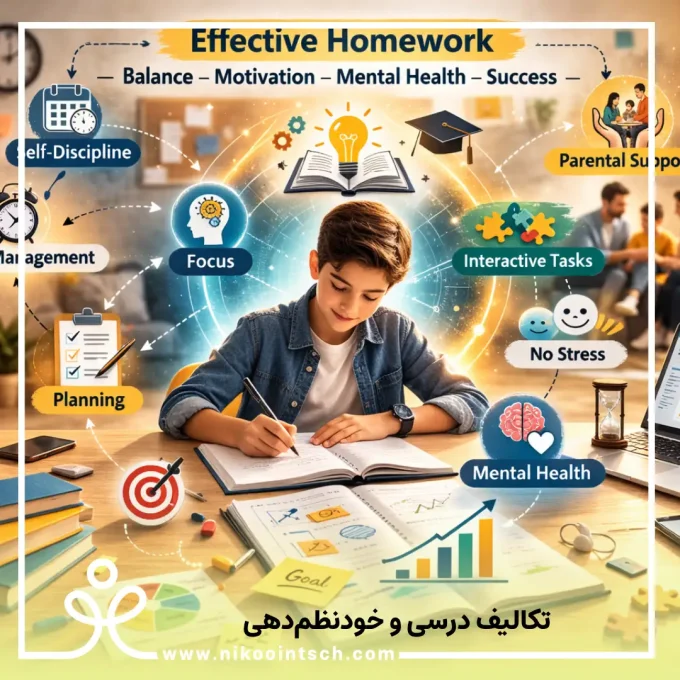
- Create daily routines: Help your child plan their activities and rest time.
- Teach relaxation techniques: Deep breathing, short mindfulness exercises, or listening to calming music.
- Encourage emotional expression: Children should learn to express their thoughts and feelings without fear.
- Promote physical and creative activities: Sports and creative arts support both physical and mental health and strengthen self-care skills.
Parent–Teacher Collaboration for the Best Results
Achieving effective results requires strong collaboration between parents and teachers. How can we teach life skills and self-care to children more effectively? When parents and schools work together, the impact of education becomes much stronger:
- Sharing regular feedback about the child’s progress
- Coordinating educational and recreational activities between home and school
- Consistently encouraging and recognizing the child’s achievements
This collaboration helps children feel secure and supported, allowing life skills and self-care to develop naturally.
In conclusion, teaching life skills and self-care to children requires a combination of practical instruction, positive parental role modeling, school-based activities, and continuous support. With proper planning and constructive cooperation between home and school, children learn to:
- Take responsibility for themselves and others
- Apply problem-solving and decision-making skills
- Manage stress and emotions effectively
These skills not only contribute to academic success but also strengthen children’s mental health, self-confidence, and resilience in real life. Therefore, teaching life skills and self-care to children is a long-term investment in their healthy development and future success.